




Global plastic waste trade amplifies microplastic pollution, research finds
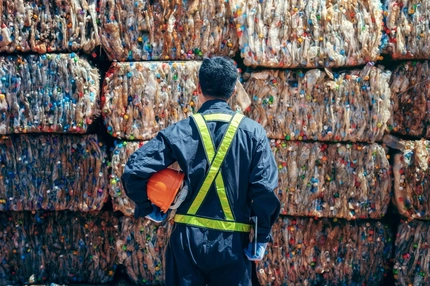
A recent review, published in npj Emerging Contaminants, argues that the mismanagement of global plastic waste, which includes packaging, contributes to microplastic pollution risks and environmental inequality. The study asserts that up to 60% of global waste trade is mismanaged, with 26% eventually fragmenting into microplastics over the course of a decade. The researchers propose a science-policy framework that links waste trade governance and monitoring to microplastic reduction strategies.Home treatments drive smarter, sustainable pharmaceutical packaging
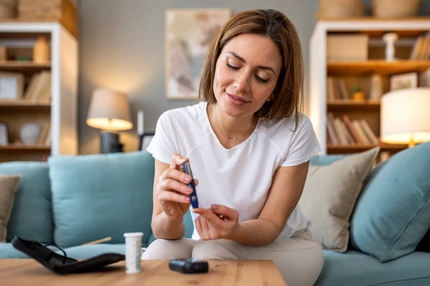
Pharmaceutical packaging is responding to an increase in at-home medical treatments, like GLP-1s, insulin medication, and biologics. Meanwhile, consumer concern about product tampering and contamination is pushing brands to consider smart solutions for traceability, while regulations are challenging brands to balance circularity with product protection. Packaging Insights speaks to Ampacet, Peak Nano, and Plastic Ingenuity to explore how these trends are shaping current pharmaceutical and health care packaging developments. Avery Dennison: Smart labels becoming “media channels” to consumers
Smart technologies like QR codes and radio frequency identification (RFID) are transforming labels from passive features on packaging to points of contact with consumers, but only if brands commit to a long-term digital content strategy, says Noam Assael, CPG business ventures director, Material Group, EMENA, at Avery Dennison. Packaging Insights sits down with Assael to discuss how upcoming consumer interactions, regulations, and data collection are converging to demand more from labels. Increasingly, labels are part of a consumer’s experience with a product, while also enhancing traceability and validation of product credentials. Trends in snack pack launches
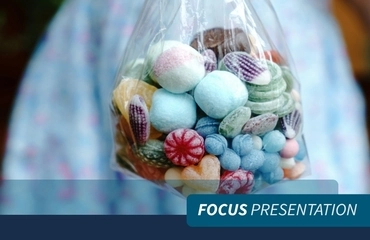
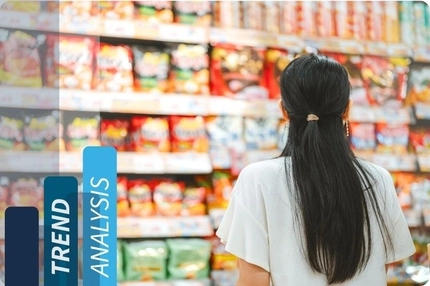
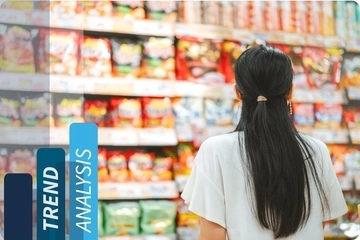
Innova Market Insights data indicates that snack launches grew at a +8% CAGR from July 2021 to June 2026. Flat pouches accounted for 50% of these launches, aligning with consumer preferences for purchasing salty snacks in pouches. Cup packaging formats showed the fastest growth, while plastic was the dominant packaging material.Out with PFAS On with performance. How do you develop an oil and grease barrier that works beyond the laboratory?
Removing PFAS changes more than the coating chemistry. This technical paper sets out five principles for designing fibre-based barriers, from choosing the right base paper and forming a continuous film to testing performance under production and end-use conditions. Explore the principles alongside examples from Avebe’s development work.This Technical Paper is brought to you by Royal Avebe.UFlex expands aseptic pack production capacity with Egypt facility
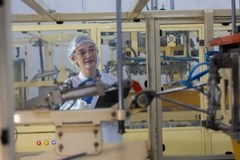
Ashwani K. Sharma, president and CEO of UFlex’s Aseptic Packaging Business, Asepto, talks about the new facility it is opening in Egypt to add 12 billion to its annual aseptic pack production capacity. It also aims to improve service for customers across Africa, the Middle East, and the EU.Settings
- Play Interval
- Slide Duration
- Thumbnail Bar Position

Latest headlines
View more
Highlighted features

Caps & closures reimagined Sep 2026
Trends in snack pack launchesSep 2026
Multimedia
View more

UFlex expands aseptic pack production capacity with Egypt facility
Ashwani K. Sharma, president and CEO of UFlex’s Aseptic Packaging Business, Asepto, talks about the new facility it is opening in Egypt to add 12 billion to its annual aseptic pack production capacity. It also aims to improve service for customers across Africa, the Middle East, and the EU.
Subscribe to our newsletters
By continuing to browse our site you agree to our Privacy Statement